
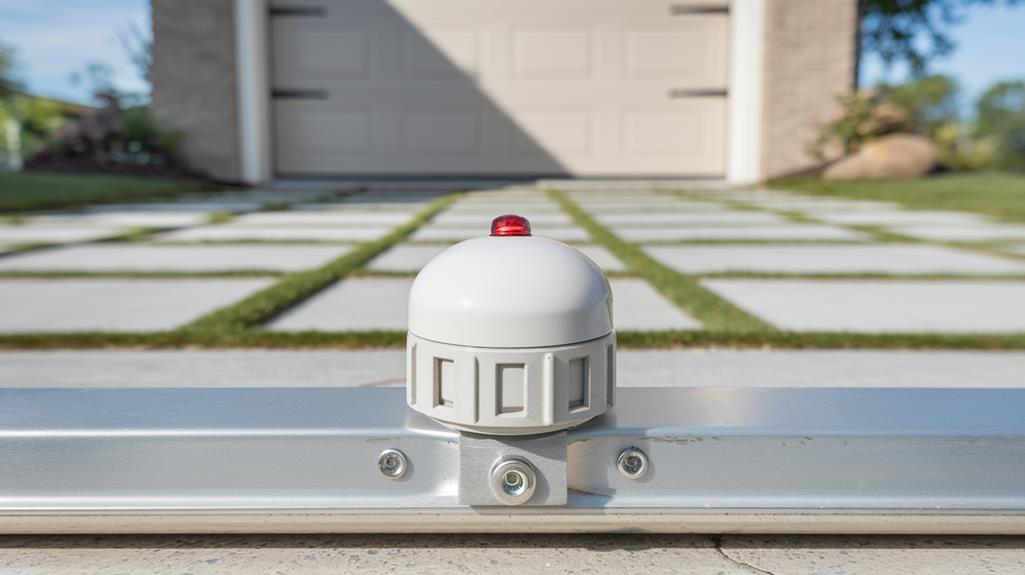
Did you know that faulty garage door sensors are one of the leading causes of household accidents? When you think about the safety of your loved ones and pets, ensuring those sensors work properly becomes vital. It's not just about convenience; it's about preventing potential hazards that can arise from neglect. So, what simple steps can you take to maintain these essential devices, and how can you spot early signs of malfunction? Understanding this can make a significant difference in your home's safety.
Importance of Garage Door Sensors
When you think about the safety and convenience of your home, garage door sensors play a pivotal role. These sensors are designed to detect objects or people in the path of your garage door, preventing it from closing on anything that could cause injury or damage.
Imagine the peace of mind you get knowing that your loved ones and pets are protected from potential accidents. At a family-owned garage door company with expert technicians, regular checks and maintenance can help prevent future problems and keep your home safe for everyone.
Furthermore, garage door sensors enhance convenience. You don't have to worry about manually stopping the door if someone accidentally walks under it. The sensors automatically reverse the door's direction, saving you time and effort.
This feature is especially beneficial for busy families or individuals with frequent garage use. Additionally, functioning garage door sensors can deter potential intruders. A garage door that operates smoothly and safely sends a message that your home is well-maintained and secure.
This can act as a deterrent against theft or vandalism. In short, ensuring your garage door sensors are in top shape is essential for both safety and convenience. Regular checks can help you avoid future problems and keep your home safe for everyone.
Common Issues With Sensors
Despite their crucial role in home safety, garage door sensors can encounter several common issues that might hinder their performance.
One of the most frequent problems you might face is misalignment. If the sensors aren't perfectly aligned, they won't function properly, and the garage door may not open or close as expected.
Regular maintenance from a Trusted Technician can help prevent such issues. We recommend scheduling a free consultation to identify potential problems before they arise.
Another issue could be dirt or debris obstructing the sensor's path. Even a small accumulation can interfere with their ability to detect objects, which can cause the door to behave erratically.
Additionally, weather conditions can affect sensor performance; heavy rain, snow, or extreme temperatures might disrupt their operation.
You should also consider wiring problems. Damaged or frayed wires can lead to intermittent issues, so check for any visible signs of wear.
Finally, if you notice that the indicator lights are blinking or not illuminated, it often points to a malfunction that needs attention.
By being aware of these common issues, you can take steps to safeguard your garage door sensors operate effectively, keeping your home and family safe.
Regular checks can help you catch these problems before they escalate.
Simple Maintenance Tips
To keep your garage door sensors in top shape, regular maintenance is key.
You should clean the sensors often, check their alignment frequently, and test their functionality at least once a month.
For those who aren't comfortable with performing maintenance tasks, consider hiring a professional technician from a reputable company like NV Pro Garage Door Repair that offers 24/7 emergency repair services.
These simple steps can help prevent issues and guarantee your garage door operates smoothly.
Regular Sensor Cleaning
Keeping your garage door sensors clean is essential for smooth operation and safety. Dust, dirt, and debris can obstruct the sensors, causing your garage door to malfunction.
Fortunately, cleaning them is a simple task that you can easily incorporate into your regular maintenance routine.
Start by turning off the garage door opener to guarantee safety. Then, locate the sensors; they're usually positioned a few inches above the ground on either side of the door.
Using a soft cloth or a microfiber towel, gently wipe the lens of each sensor to remove any buildup. Avoid using harsh chemicals, as they can damage the sensor's surface.
After cleaning, check for any visible signs of wear or damage. If the sensors are still dirty after wiping, you might want to use a mild soap solution and water.
Just make sure to dry them thoroughly afterward.
Make it a habit to clean the sensors every few months, or more frequently if your area tends to get dusty. By keeping your garage door sensors clean, you'll help guarantee reliable performance and enhance the safety of your home.
Check Alignment Frequently
Regularly checking the alignment of your garage door sensors is crucial for ensuring they function properly.
Misalignment can lead to your garage door failing to open or close as intended, posing safety risks. Start by examining the sensors, which are usually positioned a few inches above the ground on either side of the door.
Make sure both sensors are facing each other directly. If you notice a misalignment, gently adjust the sensors until they're perfectly aligned. You can use a level to assist with this task, ensuring both sensors are at the same height and angle.
Also, check for any obstructions, like dirt or debris, that might affect their performance.
It's a good practice to perform this alignment check every few months or after any significant weather events, as strong winds or heavy rains can shift the sensors.
If you've recently bumped the sensors during yard work or cleaning, make it part of your routine to inspect their alignment. Keeping your garage door sensors properly aligned not only enhances their effectiveness but also contributes to the overall safety of your home.
Test Functionality Monthly
Testing the functionality of your garage door sensors each month verifies they operate correctly and keeps your home safe. It's a simple yet vital step in your garage maintenance routine.
Start by closing the garage door and placing an object, like a piece of wood, in its path. When you activate the door, it should immediately reverse upon detecting the object. If it doesn't, your sensors may be misaligned or malfunctioning.
Next, check the sensor lights. A steady green light typically indicates proper functioning, while a blinking red light signals an issue.
Make sure nothing obstructs the sensors, as dirt or debris can interfere with their performance.
Additionally, consider testing the sensors on days when weather conditions change. Heavy rain, snow, or extreme temperatures can affect their operation. If you notice any irregularities during your tests, address them promptly.
Testing Sensor Functionality
To verify your garage door sensors are functioning properly, it's essential to perform a straightforward test.
This process helps safeguard your safety and prevents accidents.
Here's how you can do it:
- Close the garage door completely using the remote or wall switch.
- Place an object (like a roll of paper towels) in the path of the door, where the sensors are located.
- Activate the garage door using the remote or wall switch again.
- Observe the door's response: it should reverse and go back up if the sensors are working correctly.
- Remove the object and test the sensors separately by blocking each sensor to confirm they detect the obstruction.
If the door doesn't reverse, it's imperative to investigate further.
Regular testing keeps your garage door system safe and functional.
Make this test a part of your monthly maintenance routine to prevent issues down the line.
By staying proactive, you guarantee a secure environment for you and your loved ones.
Signs of Malfunctioning Sensors
If your garage door sensors aren't functioning properly, you might notice several warning signs.
One of the most common indicators is that your garage door won't close completely. If it reverses back up immediately after starting to close, it's a clear sign of sensor issues.
You may also see a blinking light on your garage door opener, which usually indicates that the sensors are misaligned or obstructed.
Another sign to watch for is if you hear unusual clicking sounds when trying to operate the door. This often means the sensors aren't communicating correctly.
You might also find that the door operates intermittently; sometimes it closes without issues, while other times it doesn't respond at all.
Additionally, dirt, debris, or spider webs on the sensor lenses can cause problems. If you notice any physical obstruction, clean the sensors carefully.
To conclude, check for any visible damage to the sensors themselves or their wiring. If you observe any of these signs, it's vital to address the issue promptly to guarantee your garage door functions safely and effectively.
Ignoring these signs can lead to more significant problems down the road.
When to Call a Professional
If you notice signs of sensor failure, like inconsistent door operation, it's time to call a professional.
Complex repair needs or issues with safety compliance checks can be tricky for anyone without experience. Don't hesitate to reach out for help when your garage door sensors aren't performing as they should.
Signs of Sensor Failure
A few telltale signs can indicate that your garage door sensors are failing, and recognizing them early can save you from potential safety hazards and costly repairs.
If you notice any of the following issues, it's time to call a professional for help:
- Inconsistent operation: The garage door opens and closes randomly or doesn't respond to the remote.
- Obstruction lights: The sensors' indicator lights flash or stay off, signaling a malfunction.
- Door reverses unexpectedly: The door starts to close but then abruptly opens again, even when nothing is blocking it.
- Visible damage: You spot cracks, misalignments, or dirt on the lenses of the sensors.
- Unusual noises: Listen for clicking or grinding sounds as the door operates, suggesting sensor or motor issues.
Ignoring these signs can lead to more serious problems, including injury.
By staying vigilant and acting promptly, you can guarantee your garage door functions safely.
If you're experiencing any of these issues, don't hesitate to reach out to a professional who can diagnose and resolve the problem efficiently.
Your safety should always come first!
Complex Repair Needs
Recognizing the signs of sensor failure is just the first step in maintaining your garage door's safety and functionality. If you've noticed persistent issues, like your door not responding to the remote or closing unexpectedly, it might be time to ponder professional help.
While some repairs are straightforward, others can be complex and require expert knowledge.
If you've checked and cleaned the sensors and the problem persists, don't hesitate to call a technician. They can diagnose deeper issues, such as faulty wiring or malfunctioning circuit boards, which aren't easily fixable without specialized tools. Attempting these repairs yourself can lead to further damage or safety hazards.
Also, if your sensors are outdated or damaged beyond repair, a professional can guide you on the best replacements. Their experience guarantees that the new sensors are compatible with your existing system and meet safety standards.
Ultimately, when you're dealing with complex repair needs, trusting a professional can save you time, effort, and potential injury. Your garage door's safety is vital, so don't overlook the importance of expert assistance when necessary.
Safety Compliance Checks
Verifying that your garage door sensors comply with safety standards is important for protecting your home and family. Regular safety compliance checks can help you identify issues before they become serious problems. Knowing when to call a professional can save you time and make sure your sensors work effectively. Here are some signs that indicate it's time to bring in an expert:
- The sensors aren't responding to the garage door's movement.
- You notice any visible damage or wear on the sensors.
- Your garage door closes but immediately reverses without any obstruction.
- The safety light on the sensors is blinking or off.
- You hear unusual noises from the garage door opener when operating.
If you encounter any of these issues, don't hesitate to contact a professional. They've the skills and tools necessary to diagnose and fix problems, guaranteeing your garage door operates safely.
